
Like a Smart Traveler
The Complete Guide to Exploring Madrid
Best places to visit, local neighbourhoods, parks, travel tips and how to experience the city beyond the obvious.
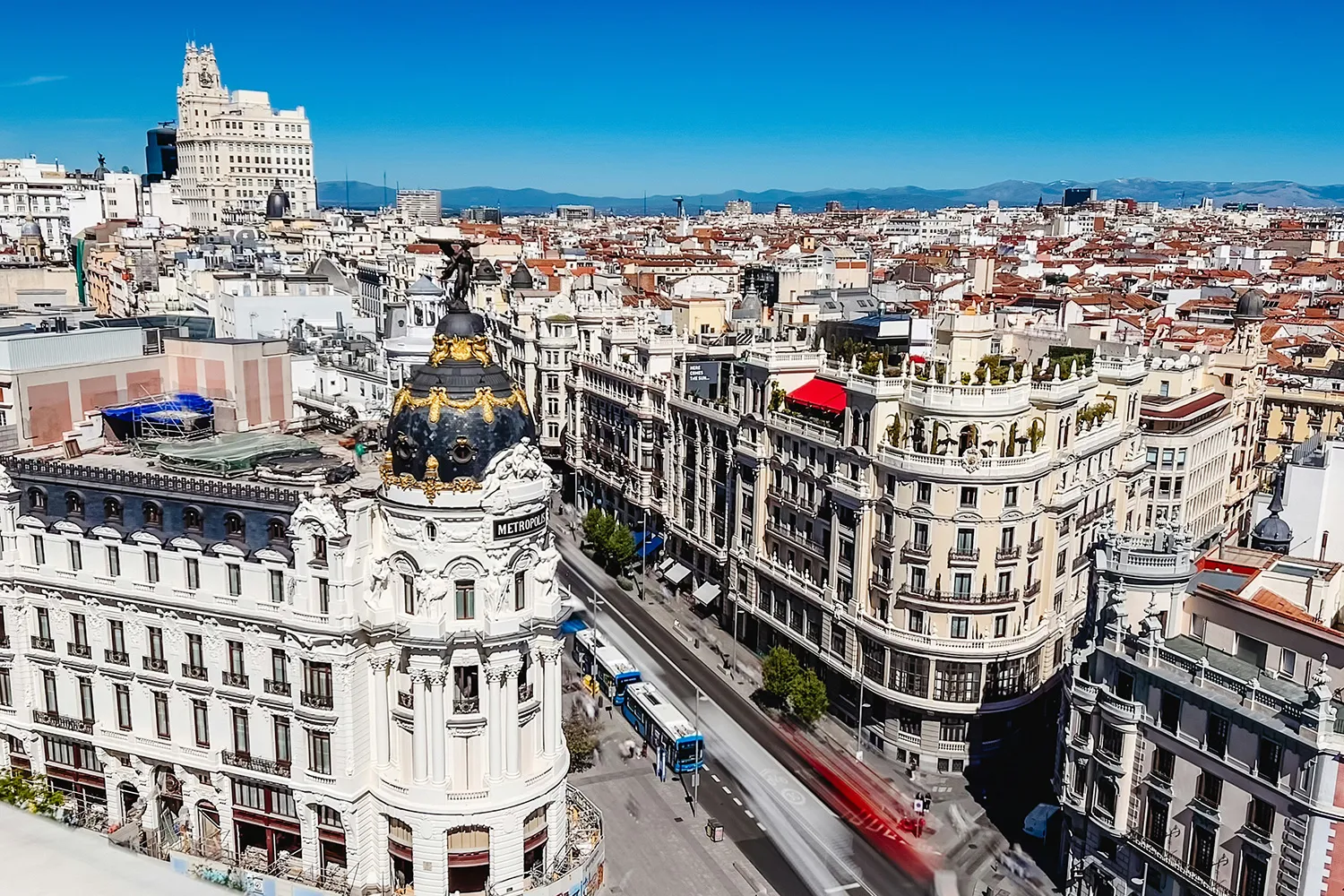
A European capital full of surprises
Madrid is one of Europe’s most underrated capitals.It combines royal history, world-class museums, elegant boulevards, lively neighbourhoods, huge green parks and a street culture that makes everyday life feel part of the travel experience. For many first-time visitors, Madrid is a surprise: bigger, greener, more local and more energetic than expected
If you are planning a trip, this guide explains what to see in Madrid, where to go, how to move around and how to experience the city beyond the obvious landmarks.
Why Visit Madrid?
Madrid offers something many major capitals have lost: real urban life.
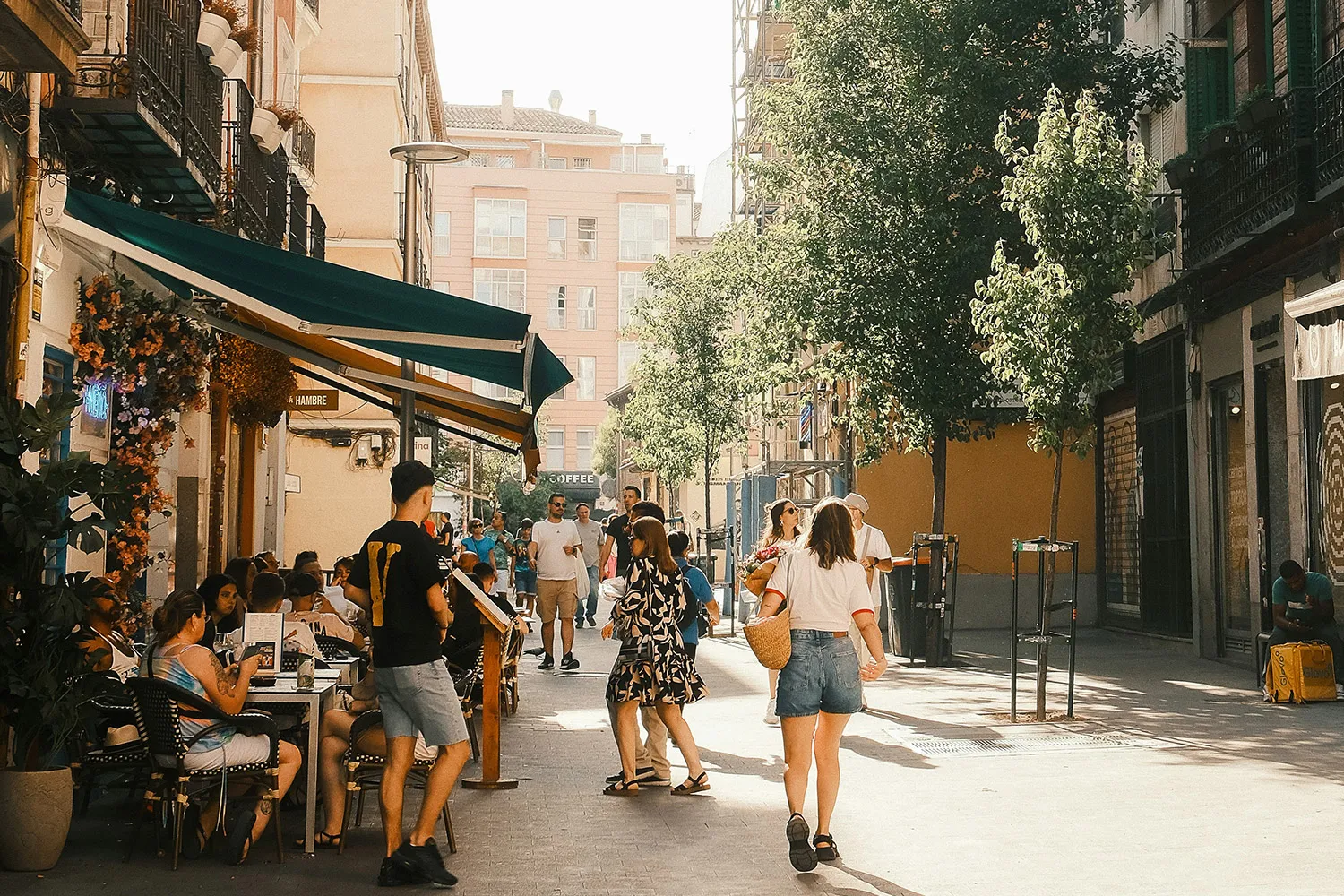
This is not a city built only for tourists. It is a functioning, social, outdoor city where plazas fill naturally, parks are used daily and neighbourhood identity still matters.
Visitors come for the museums and monuments — but often remember the atmosphere most.
BEST FOR. 3 days, culture lovers, city breaks, food, cycling, spring travel
BEST MONTHS. March–May / September–November
IS MADRID WALKABLE? Yes, especially central districts.
Best Places for First-Time Visitors
What to See in Madrid
Madrid is a city of distinct atmospheres, and one of the best things about a first visit is discovering how different each area feels. Royal Madrid offers grand architecture, historic plazas and the city’s royal heritage around the Palace, Plaza Mayor and the old centre. El Retiro Park and Parque del Oeste reveal a greener side of Madrid, with elegant gardens, tree-lined paths, scenic viewpoints, the lake and the Crystal Palace. The Art Triangle is essential for culture lovers, bringing together the Prado, Reina Sofía and Thyssen museums in one of Europe’s finest museum districts. Gran Vía shows Madrid at its most energetic, with iconic architecture, rooftop views and constant city movement. For a more open and modern side of the capital, Madrid Río combines riverside parks, striking bridges and some of the city’s best cycling and walking routes.
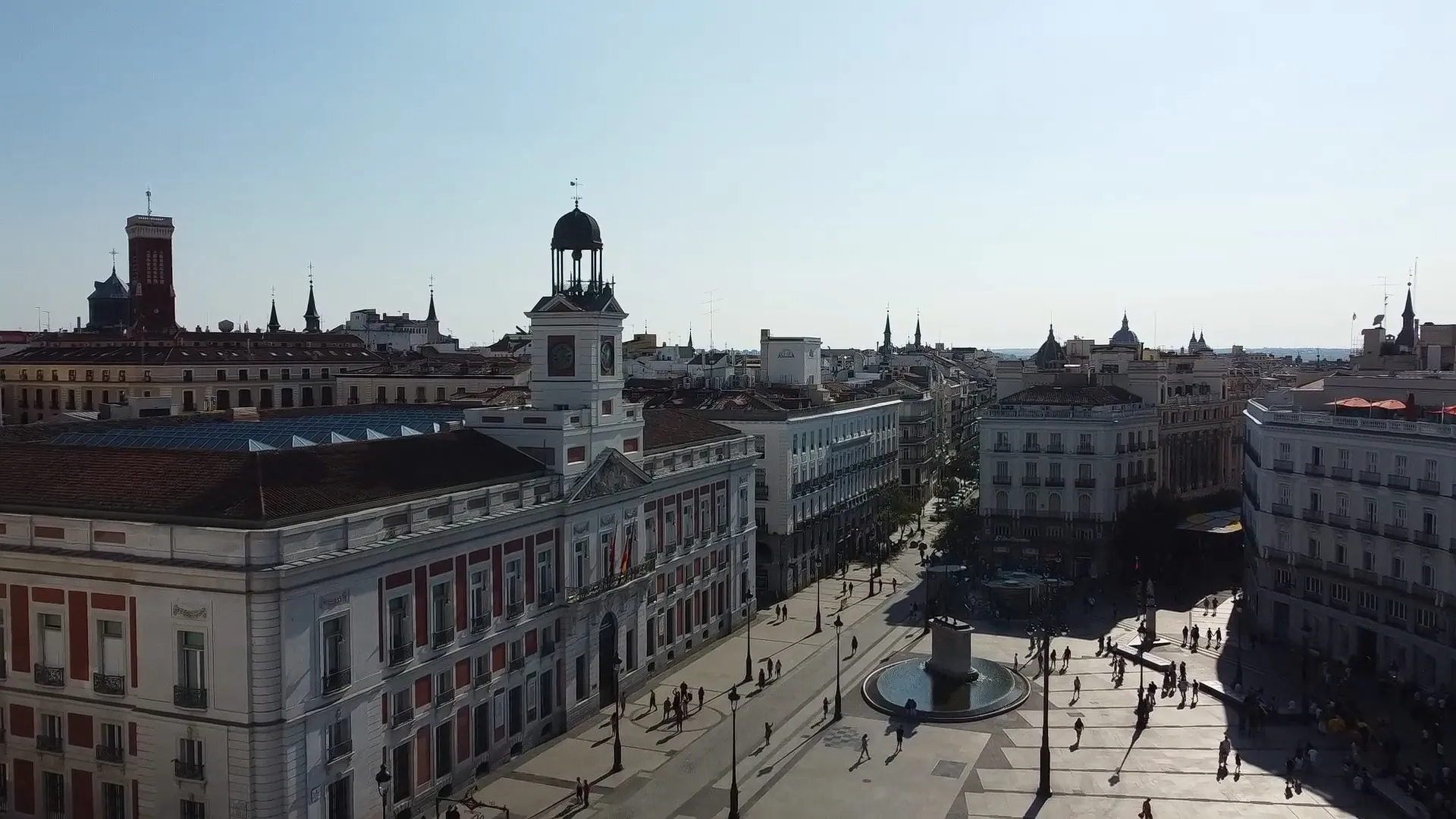
Best highlights in Madrid
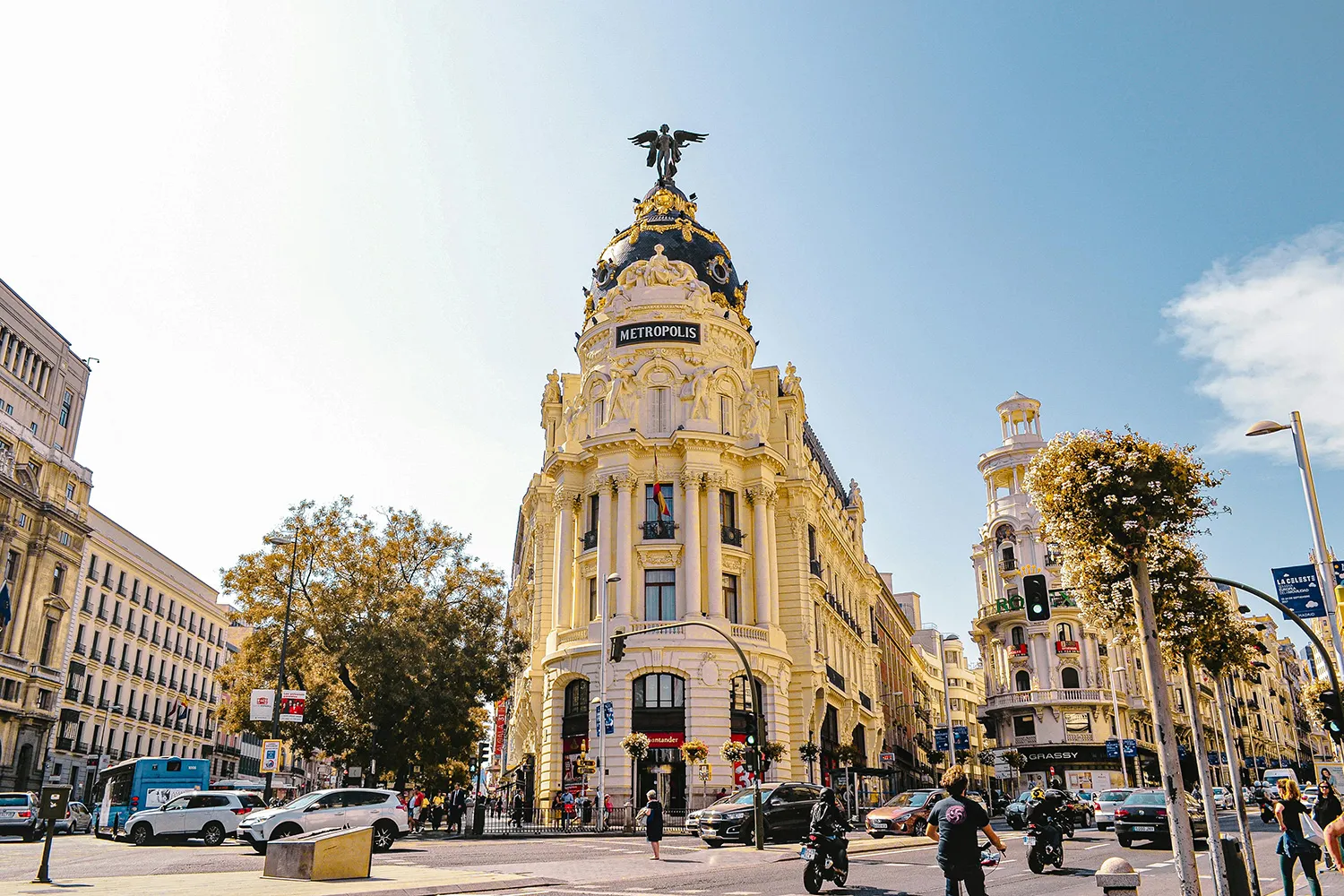
Gran Vía & Central Madrid
Gran Vía is Madrid’s most famous avenue and one of the best places to feel the city’s energy.
What to see: architecture from early 20th century Madrid, theatres and cinemas, rooftop views, Plaza de España nearby.
Best for: first impressions, city energy, photos.
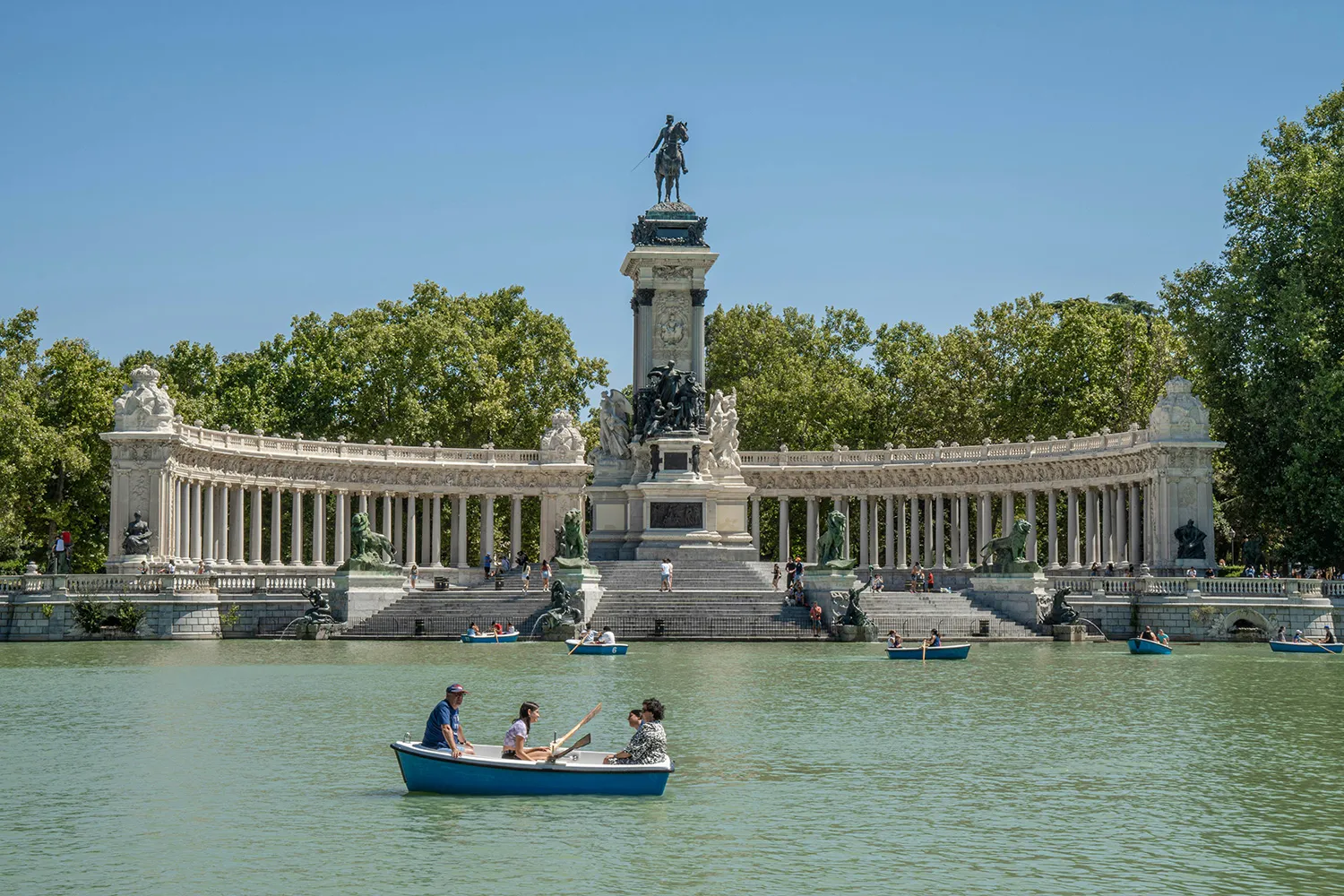
El Retiro Park
One of Europe’s best city parks.
What to see: sculptures and gardens, Crystal Palace, lake and rowing boats, tree-lined paths.
Best for: relaxing, morning walks, escaping city pace.
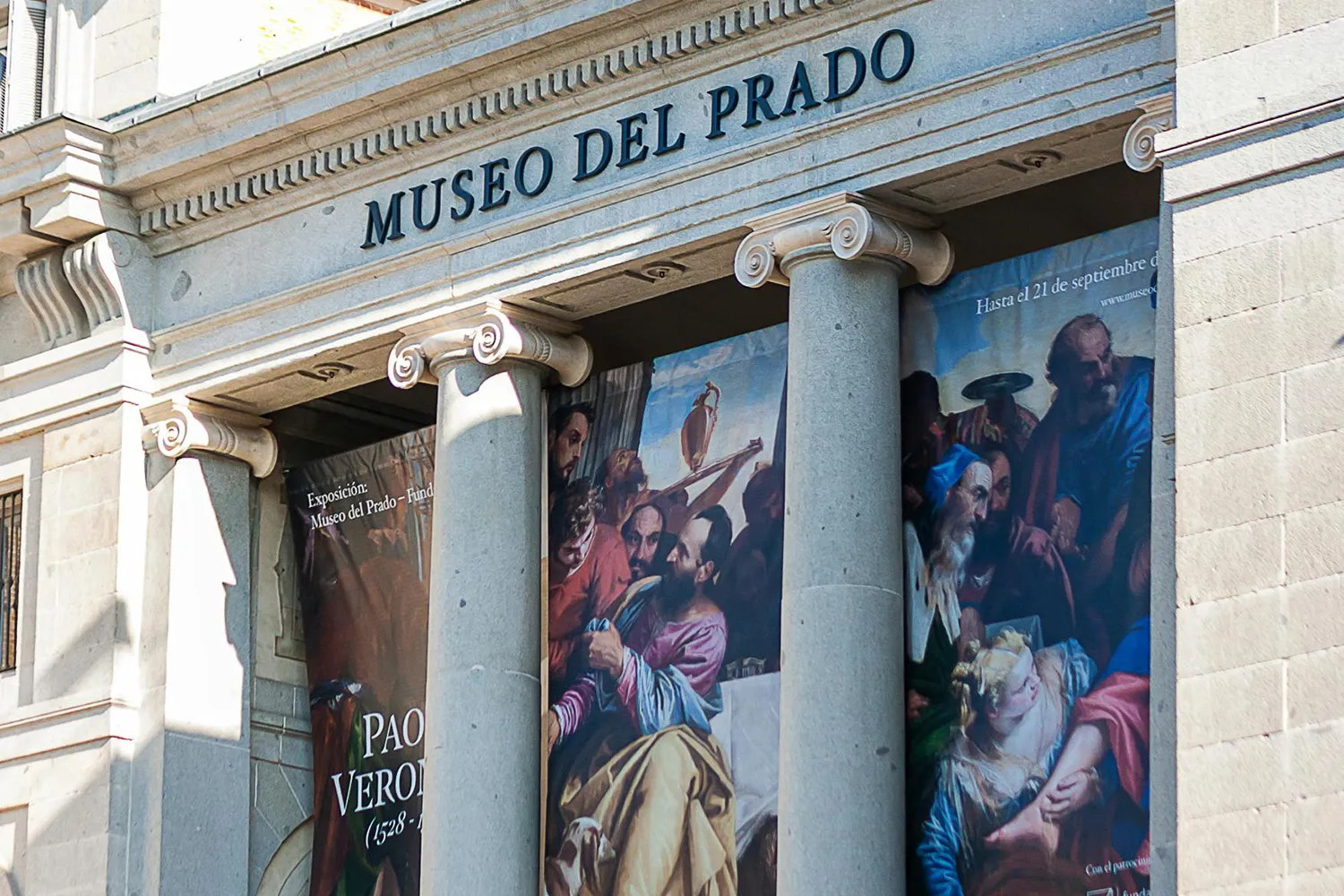
Madrid’s Art Triangle
One of the strongest museum districts in Europe.
What to see: Prado Museum, Reina Sofía Museum, Thyssen-Bornemisza Museum. Also nearby are CaixaForum, the Naval Museum and the National Archaeological Museum.
Best for: art lovers, rainy days, cultural visits
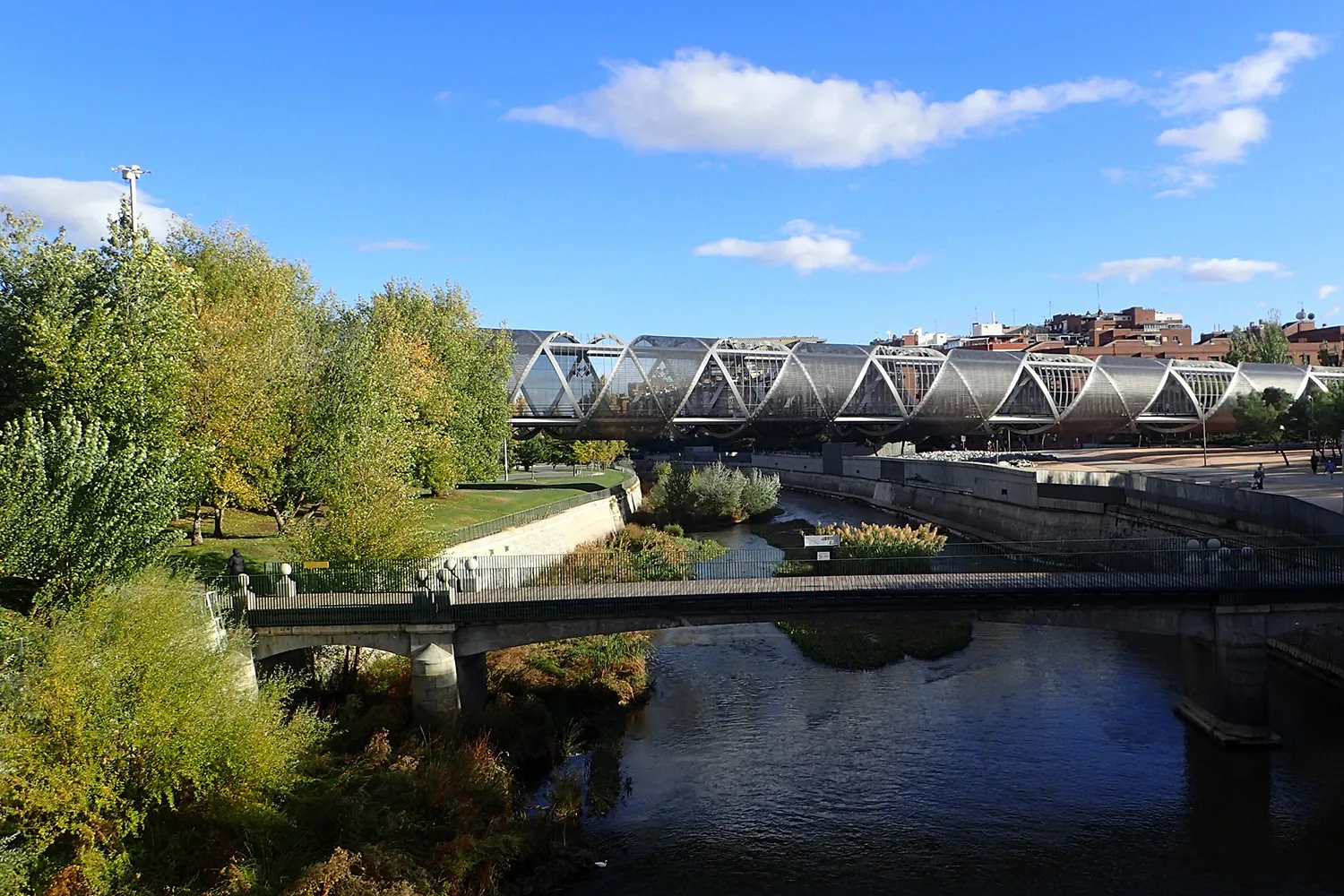
Madrid Río
A transformed riverside zone with paths, bridges and open public space.
What to see: Matadero Madrid, Arganzuela Bridge, river gardens and play areas.
Best for: cycling, walking, families, sunset.
Best Neighbourhoods in Madrid
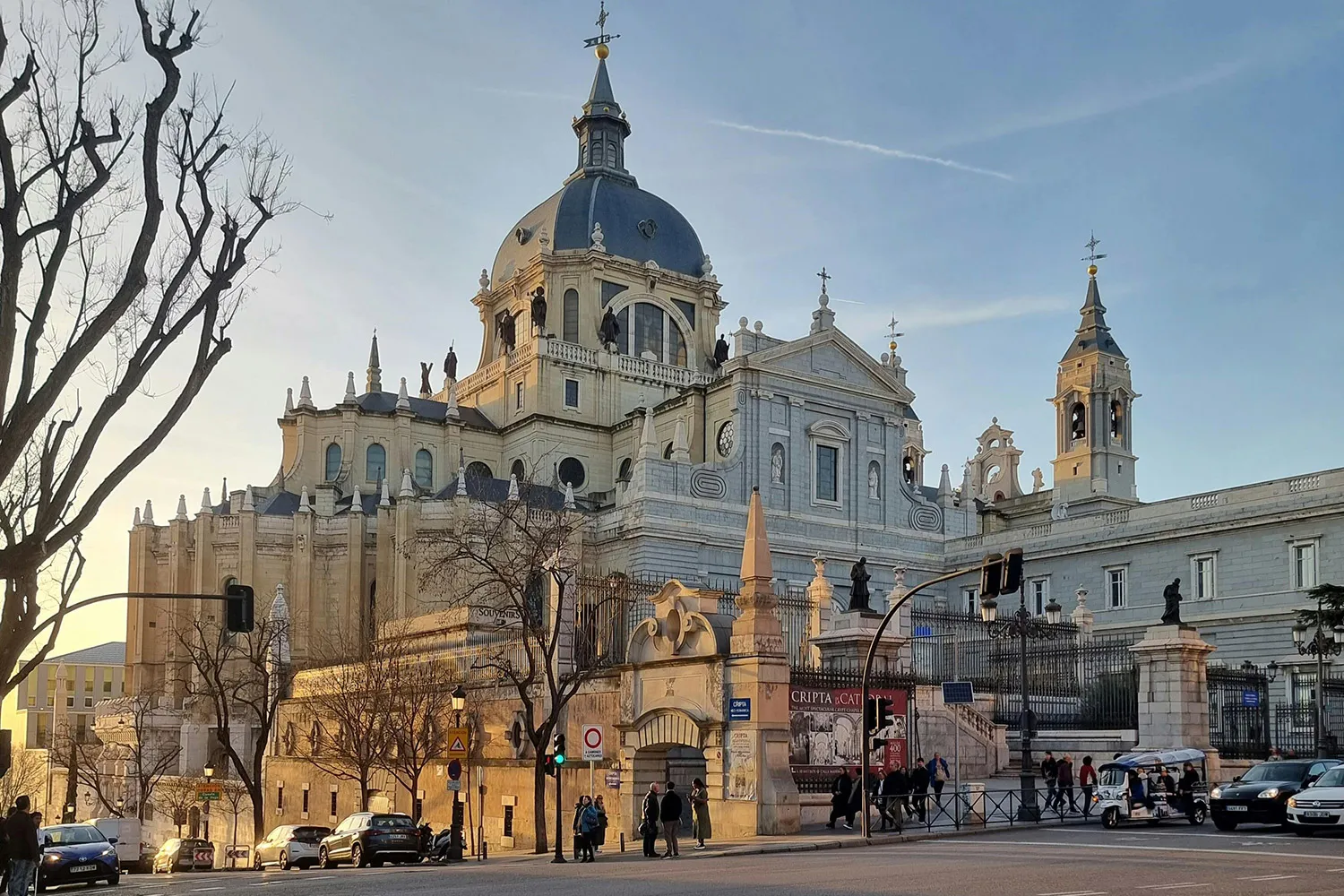
Austrias
Historic, majestic and timeless.
Known for:
Plazas, Architecture, Tradition, Royal feel.
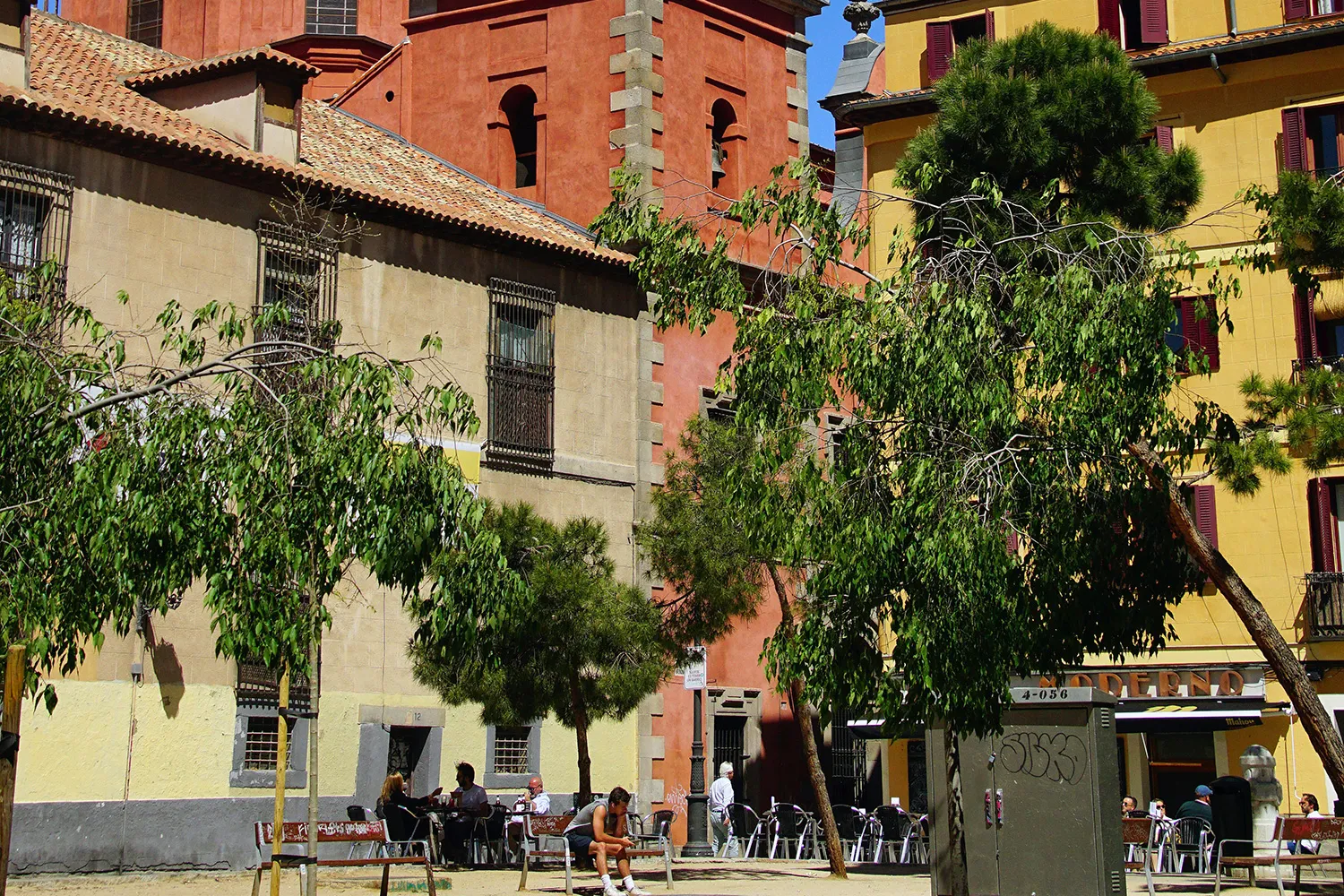
Malasaña & Chueca
Creative, youthful and relaxed.
Known for:
Cafés, local shops, nightlife, independent feel.

Salamanca
Elegant and refined.
Known for:
Luxury shopping, architecture, quieter streets.

La Latina
Traditional Madrid with social energy.
Known for:
Tapas, terraces, historic streets, weekends.
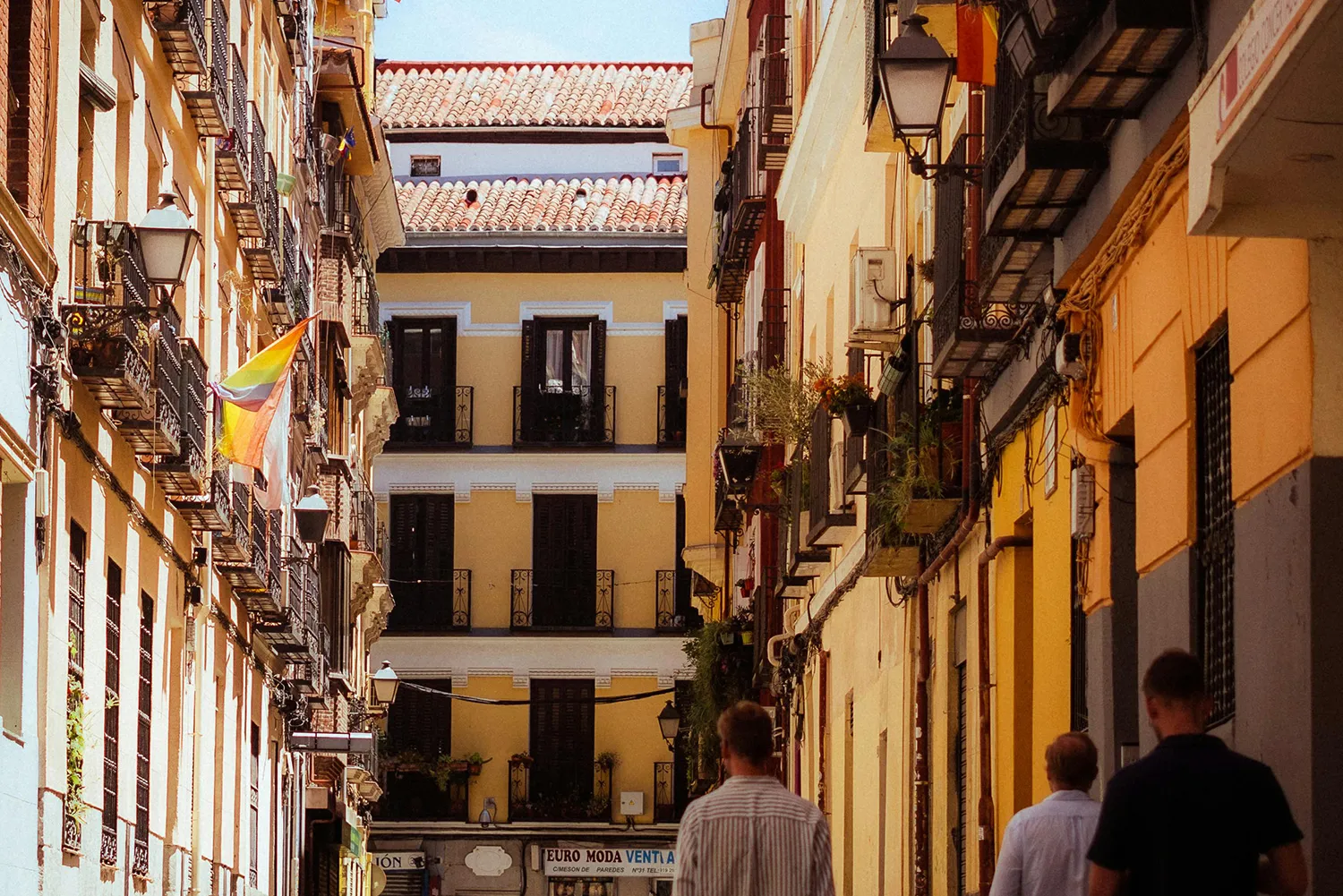
Lavapiés
Multicultural and dynamic.
Known for:
Street life, food diversity, artistic atmosphere.
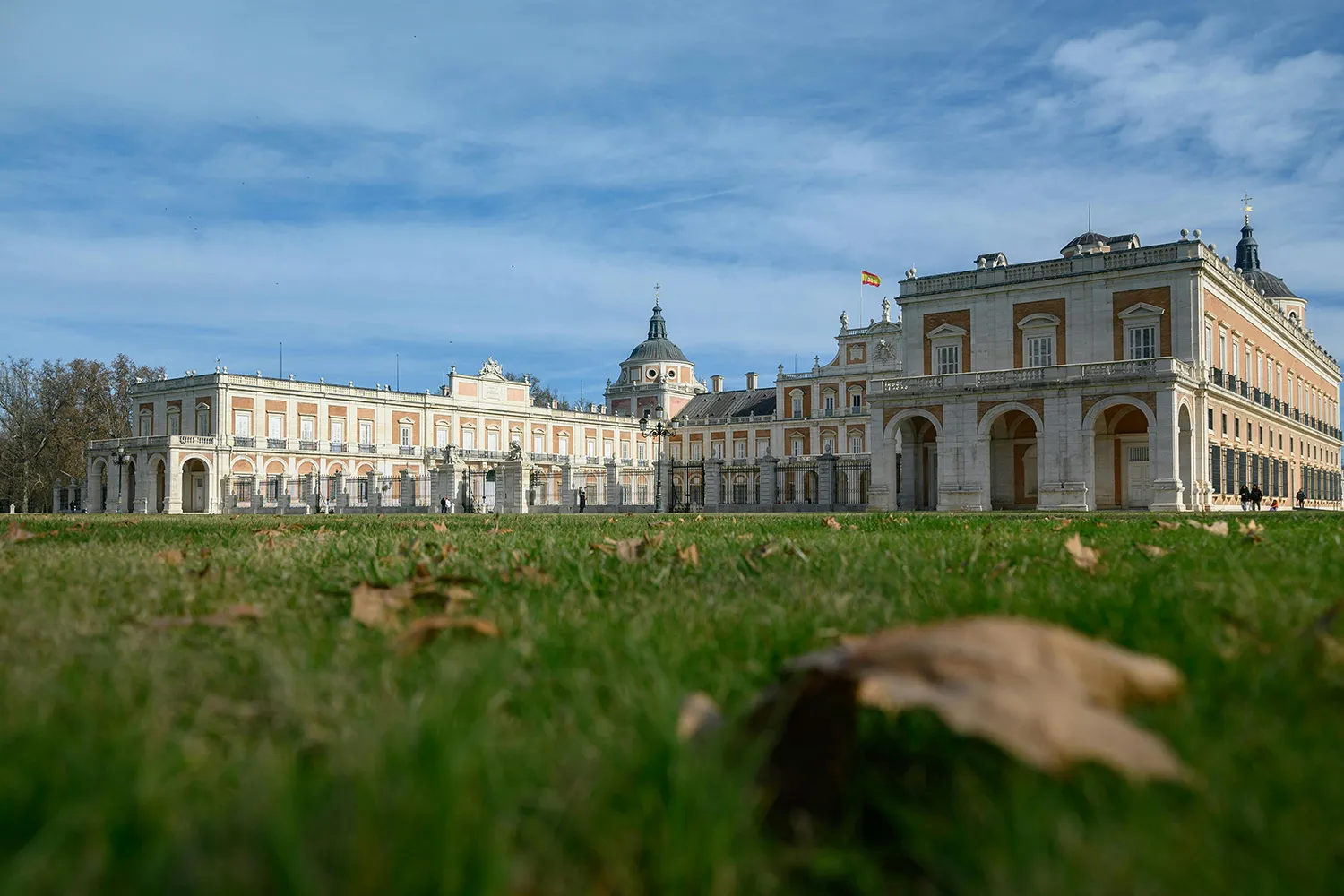
Moncloa & Chamberí
The perfect blend of stately elegance and youthful energy.
Known for:
Grand boulevards, student life, traditional taverns, and lush parks.
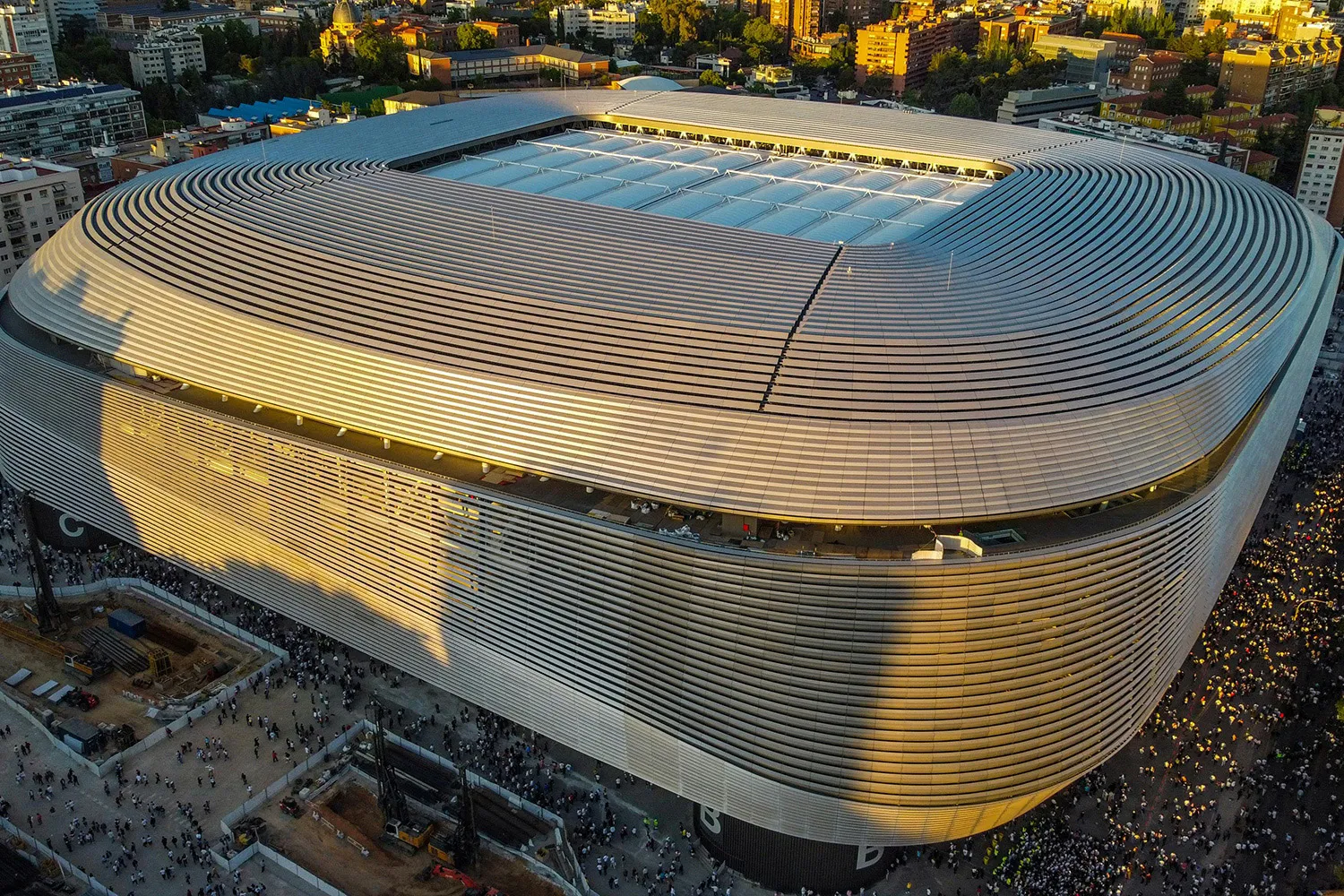
Chamartín
Business and residential northern district.
Known for:
Skyscrapers, financial centre, train station area, local restaurants.
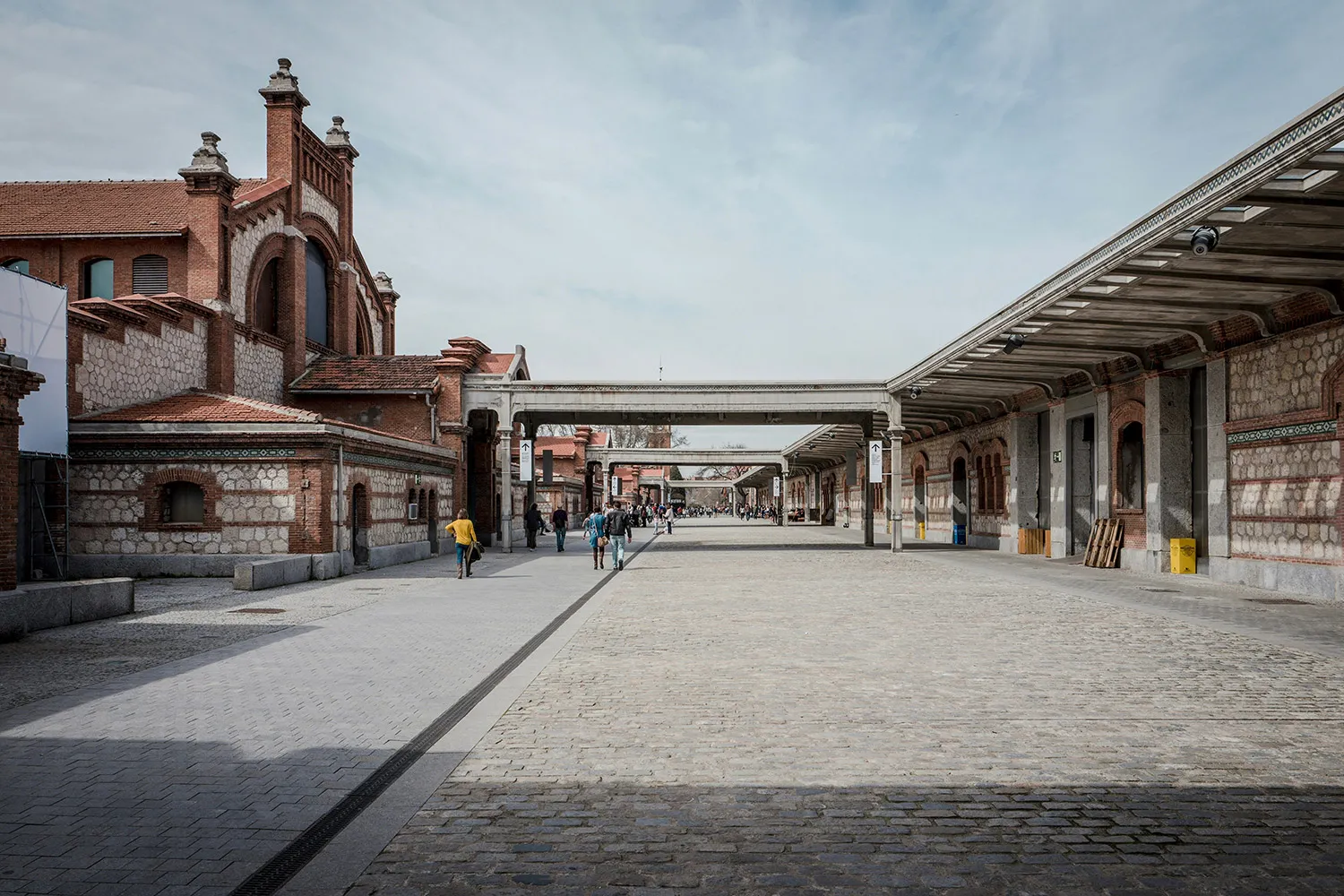
Arganzuela
Riverside district with open spaces and culture.
Known for:
Madrid Río, riverside parks, Matadero cultural centre, modern urban life.
Is Madrid Walkable?
Yes — especially the central districts. However, Madrid is larger than many visitors expect. You can comfortably walk between: Sol, Plaza Mayor, Royal Palace, Gran Vía, Plaza España, Prado area. Walking between major zones like Retiro, Palace, Madrid Río and Salamanca can take significant time.
That’s why smart visitors combine walking with subway or cycling.
Is Madrid Good for Cycling?
Yes — increasingly so. Madrid offers: broad avenues, connected parks, riverside routes, large distances where cycling saves time
Cycling is especially useful for travellers who want to see more than one neighbourhood in the same day. It helps turn Madrid from “spread out” into “connected”.
How Many Days Do You Need in Madrid?
1 Day in Madrid
Enough for key highlights: Royal Palace, Plaza Mayor, Gran Vía, Retiro
2 Days in Madrid
A strong short trip.
Museums + one neighbourhood evening
3 Days in Madrid
Ideal for most first-time visitors.
Enough time for: landmarks + parks + local districts + slower rhythm +
4+ Days
Excellent for deeper exploration and day trips outside the city and neighbourhood life
Best Time to Visit Madrid
Spring
One of the best seasons: warm, bright and lively.
Summer
Hot, especially midday. Best strategy: early starts, shade breaks and evening plans.
Autumn
Excellent temperatures and beautiful city light.
Winter
Cool but often sunny and pleasant compared with colder northern capitals.
Smart Madrid Travel Tips
Madrid Travel Tips Most Tourists Learn Too Late
1. Distances Matter.
Madrid looks compact on maps but covers more ground than many expect.
2. Start Early in Summer.
Morning hours are significantly more comfortable.
3. Explore More Than the Centre.
Neighbourhoods are essential to understanding the city.
4. Use Parks Strategically.
Retiro, Madrid Río and Casa de Campo add balance to sightseeing days.
5. Leave Space in Your Schedule.
Madrid rewards spontaneity more than rigid planning.
How to Experience Madrid Like a Local
The smartest visitors do not only collect landmarks.
They combine evening walks when the city comes alive, a slow breakfast, time outdoors, movement between districts, a long lunch or late dinner, unplanned stops.
Madrid rewards people who leave room for spontaneity. Start the morning slowly, combine monuments with neighbourhood life, spend time outdoors, move between districts, stay out in the evening, don’t over-plan every hour
Hidden Madrid Ideas
Want something beyond standard tourism? Often the best version of Madrid appears between famous places.
- Early morning in Retiro.
- Sunset viewpoints.
- Weekday neighbourhood cafés.
- Smaller local markets.
- Streets behind major plazas.
- Riverside routes in the evening.
Final Thought
And let the city surprise you. But also let the city happen around you
Madrid is not only a city to visit.
It is a city to move through, understand gradually and enjoy layer by layer.
See the landmarks. Explore the neighbourhoods. Spend time outdoors.
CURATED EXPERIENCES
Ready to discover Madrid by bike?
Thoughtfully designed, consistently highly rated, and loved by travelers from around the world for their routes, pace, and authentic way of exploring Madrid

Small groups
City Bike Tours
From 35 €
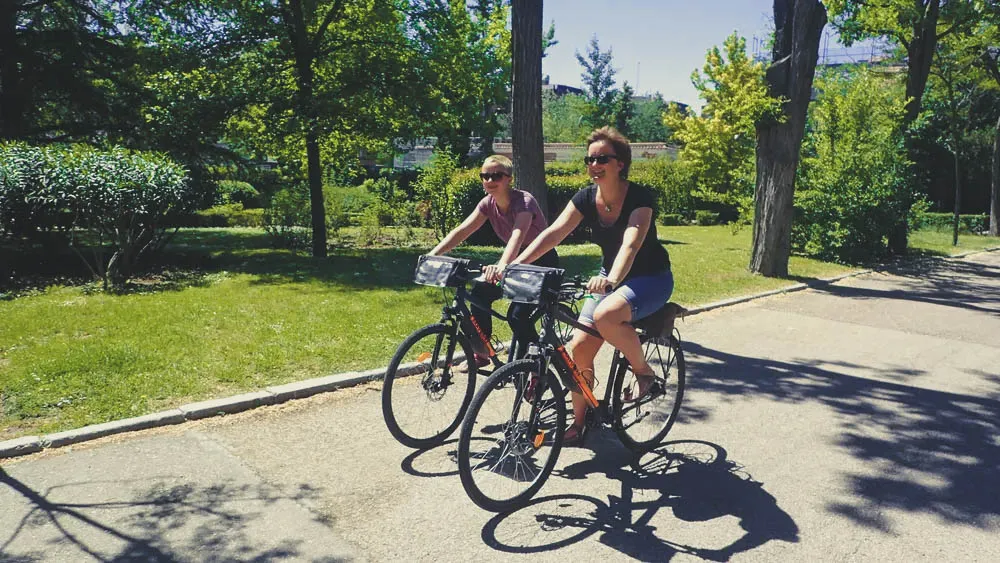
Discover Madrid’s most iconic places and its hidden corners in a relaxed and well-paced ride. Ideal if it’s your first time in the city.
Explore Bike City Tours
Exclusive experience
Private Bike Tours
From 38 €
A more personal way to explore. Choose your schedule, your pace and enjoy Madrid with your own guide.
Discover Private Bike Tours